This huge upgrade is building new infrastructure, improving water quality, replacing old water pipes, reducing leakage to its lowest-ever level and will see us protect over 500km of rivers and bathing waters.
Our investment is set to reduce the use of storm overflows by 60% over the decade to 2030. This will help support our natural environment.
Investing in your area
We’re making great progress. Here’s an overview of some of our key projects happening across the North West:
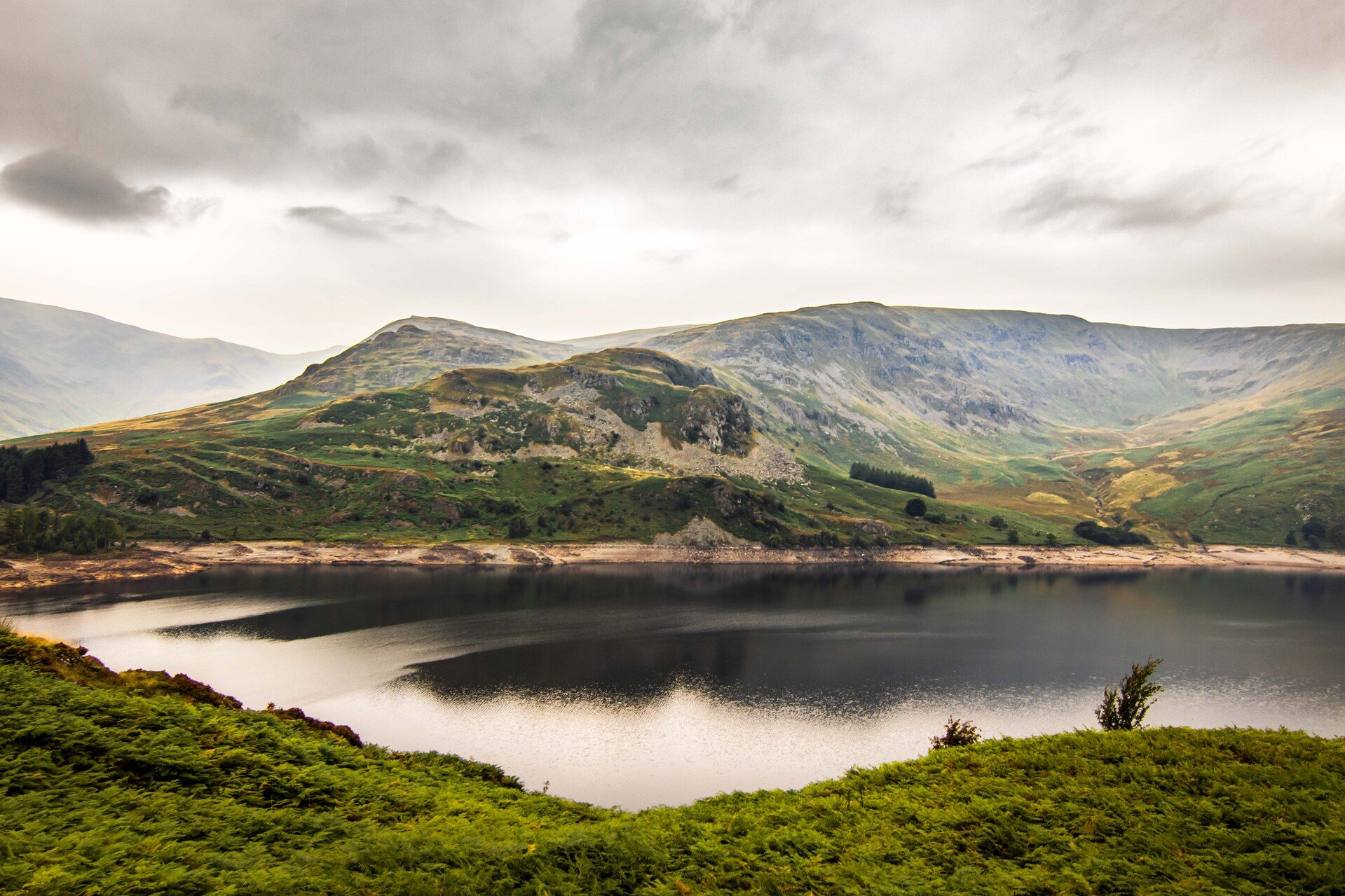
- In Cumbria, our ambitious £200 million investment plan to reduce spills across Windermere from storm overflows is moving at pace. Early investment at Ambleside and Windermere treatment works is already delivering benefits to spill reduction.
- In Lancashire, we started a £3 billion project to upgrade the 110km long Haweswater Aqueduct, which supplies 570 million litres of water every day to 2.5 million people across Greater Manchester and Lancashire.
- In Cheshire during 2025, we completed a £20 million upgrade of the wastewater treatment works at Congleton, improving the River Dane, protecting wildlife and reducing its overall environmental impact.
- We’ve joined forces with the Mayor of the Liverpool City Region, Steve Rotheram, and the Mersey Rivers Trust in creating an ambitious 5-year action plan for a cleaner Mersey. The partnership aims to reduce sewage discharges, improve water quality, and enhance biodiversity.
- During the last 12 months we’ve invested £40 million to replace around 170km of mains across the North West – enough to stretch from Manchester to Blackpool and back again.
- As part of our large scale plans to capture, divert and slow the flow of rainwater, we've installed over 500 rainwater planters, built rainwater gardens, tree pits and ponds in 16 schools and worked in partnership with local councils to reduce flooding and refresh town centres in Bolton and Oldham.
You can also find out more about our entire programme of work in every county of the region here: unitedutilities.com/businessplan. We will also be updating how we are getting along with key projects in your area here.
£525 million package of support
Increasing the level of investment in our region means that bills also need to increase. This year, bills for customers without a water meter will typically increase by 14% from 1 April and for those on a water meter this will typically be around 12%. We know any bill increase is never welcome and can mean that many people may struggle to pay. That’s why United Utilities has a package of £525 million of support to help one in six households. We’re also encouraging those customers who may find they can significantly reduce their charges by switching to a water meter to make that change, paying only for what they use.
How are prices set?
Every five years, water companies develop business plans, which set out the investment needs for the next five years and how much revenue needs to be recovered from customers in order to fund that investment. Our business plans are reviewed and challenged by Ofwat, to ensure that customers are only expected to pay for the efficient cost that is needed to deliver the company’s requirements. Upfront funding for these programmes of work is secured through private investors, which can include organisations such as large scale pension funds, and customers then pay back some of that cost through bills over a longer period of time.
The specific amount water companies can then charge through annual bills is determined by a number of factors:
- As stated above, we are permitted to increase prices each year by an amount (this is referred to as the K factor) that enables us to fund any necessary or significant upgrades that we are required to make. For example, that might mean the cost of meeting additional and more stringent environmental requirements for river or bathing water standards, or large scale infrastructure upgrades.
- It also takes into account the level of inflation each year, affecting prices and costs of delivering services at that time (and not controlled by the water company), which is why there can be some differences year on year in your charges over that five-year period as inflation can go up or down.
- In the case of one particularly huge infrastructure project – the upgrade of the 110km Haweswater Aqueduct, which supplies drinking water to millions of customers in Cumbria, Lancashire and Greater Manchester – United Utilities is being allowed to recover the costs of this project over the lifetime of a contract which has been awarded to a specialist company which will deliver, finance and maintain the six sections of tunnel to be replaced. Some of these costs are being recovered in the period 2025-2030.
- It also depends on the numbers of customers who choose to switch to having a meter. For example, as a metered customer, you would pay an additional standing charge to cover the cost of installing and maintaining the meter, and for meter reading. However, this additional cost is very often outweighed by the benefit of lower charges resulting from you only being charged for the water that you use.
- Your bill may also differ depending on a variety of things such as, if you are on a financial support scheme.
For a detailed breakdown of what this increase looks like, please view our table below.
|
Change to charges in 2026/27 |
Water |
Sewerage |
Total |
|---|---|---|---|
| CPIH Inflation | 3.6% | 3.6% | 3.6% |
| K factor | 7.1% | 7.1% | 7.1% |
| Direct Procurement (HARP) | 6.3% | n/a | 2.8% |
| Blind year adjustments - ODIs | -1.9% | -4.0% | -3.1% |
| Increase in wholesale revenue | 15.2% | 6.6% | 10.4% |
| Impact of charge multipliers | 2.6% | 2.4% | 2.5% |
| Impact of forecast developer income | 0.9% | 0.0% | 0.3% |
| Wholesale tariff increase | 18.7% | 9.0% | 13.2% |
This table represents the average increase in all of our wholesale charges. The specific increase in your bill will depend on the specific charges that apply to you.
Delivering improvements across all five counties of the North West
We are making good progress in delivering this huge plan of improvements – which is also supporting 30,000 jobs across the region.
We are upgrading pipes and treatment works, improving water quality, reducing leakage to its lowest ever levels and protecting and enhancing over 500km of rivers and bathing waters. Our investment is also set to reduce storm overflows, caused by intense periods of heavy rainfall, by 60% over the decade to 2030, which helps our natural environment.
You can find out what’s happening where you live below.