Frequently asked questions
Have a look through our frequently asked questions to see if we can answer your question.
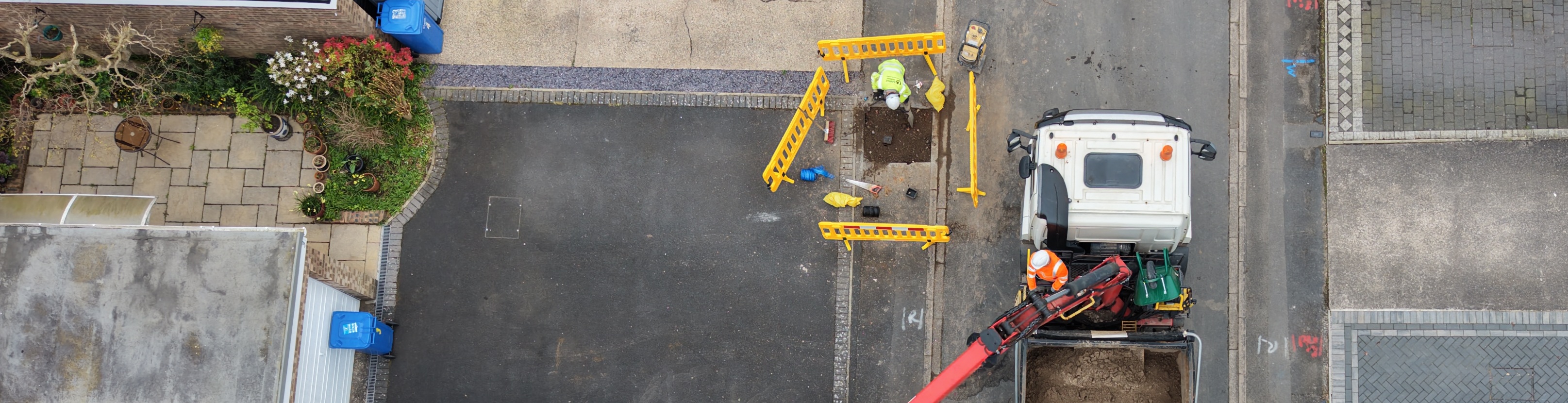
As part of our BIG North West Upgrade, we'll be replacing more than 925 kilometres (574 miles) of water pipes by 2030.
In your area, this means upgrading the pipes in your street, as well as the pipe connecting your home to the water main.
By replacing older pipes with modern, more resilient materials, we can reduce leaks and bursts, improve reliability and strengthen the network to meet future demand.
We know that this kind of work can be inconvenient. While some noise, traffic management and short-term disruption are unavoidable, we will work hard to keep this to a minimum.
We will carefully plan each stage, carry out the work in short phases and keep you informed before, during and after the work.

You’ll never be left guessing what’s happening in your street. We'll contact you before the work begins and keep you updated throughout.
If we need to turn your water off, we'll give you at least 48 hours' notice and if plans change, we'll let you know as soon as possible.
When we upgrade the pipe supplying your home, we’ll need to turn off your water for a short time. We'll aim to keep this to no more than three hours.
If the work takes longer than expected, we'll keep you updated. We'll always give you at least 48 hours' notice so you have time to prepare and store water.

Where possible, we coordinate our work so that water and other utility upgrades take place together.
This collaborative approach reduces the amount of digging required, shortens the overall duration of works, and helps avoid repeated disruption to the same streets.
Here’s a summary of the six stages of our work when upgrading your water pipes.
Before major work begins, we may visit your street to:
This may also involve us having to dig a number of small holes in the street to check the location of the existing pipes and cables.
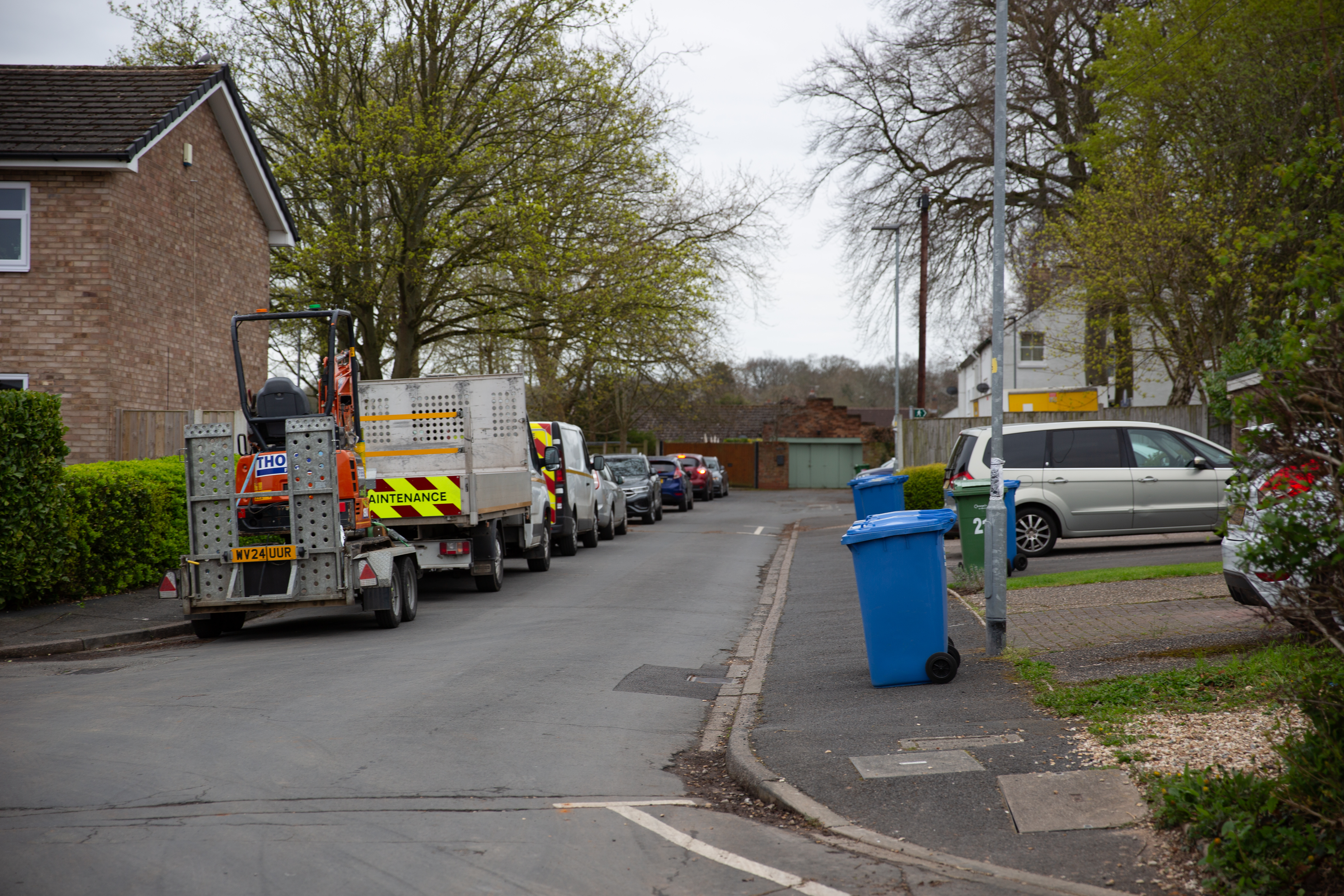
We’ll also set up temporary areas for materials, machinery and welfare facilities for our teams.
Because the pipes are underground, we’ll need to dig along the footpath and road. We may also need to dig within the boundary of your property, if this is the case we will speak to you in advance of any work starting.
You’ll still be able to access your home, but we may need to ask you to park elsewhere for short periods while we complete our work. If you are registered as a Priority Services customer, our team will check this before we start on site and do everything we can to help minimise any inconvenience.
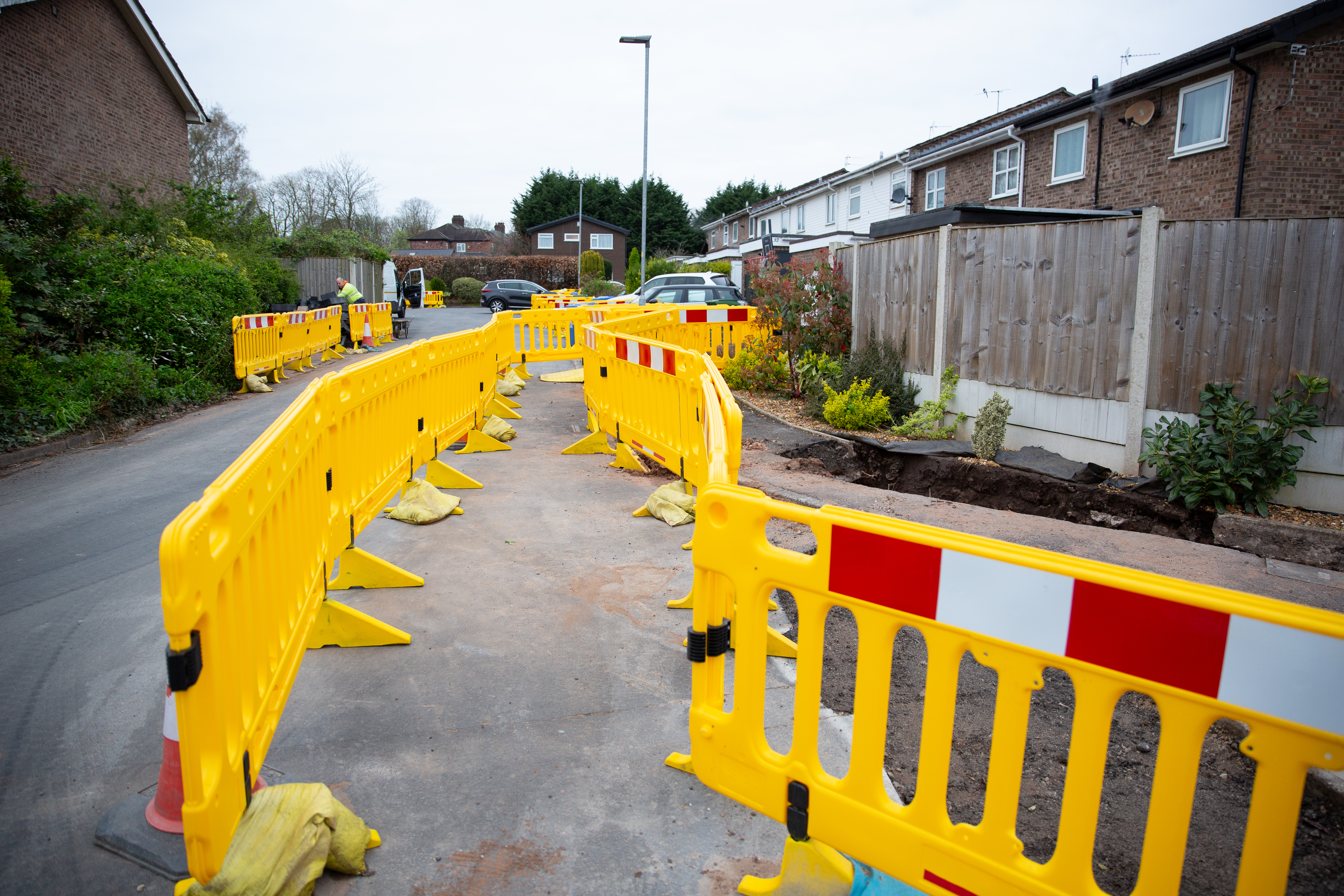
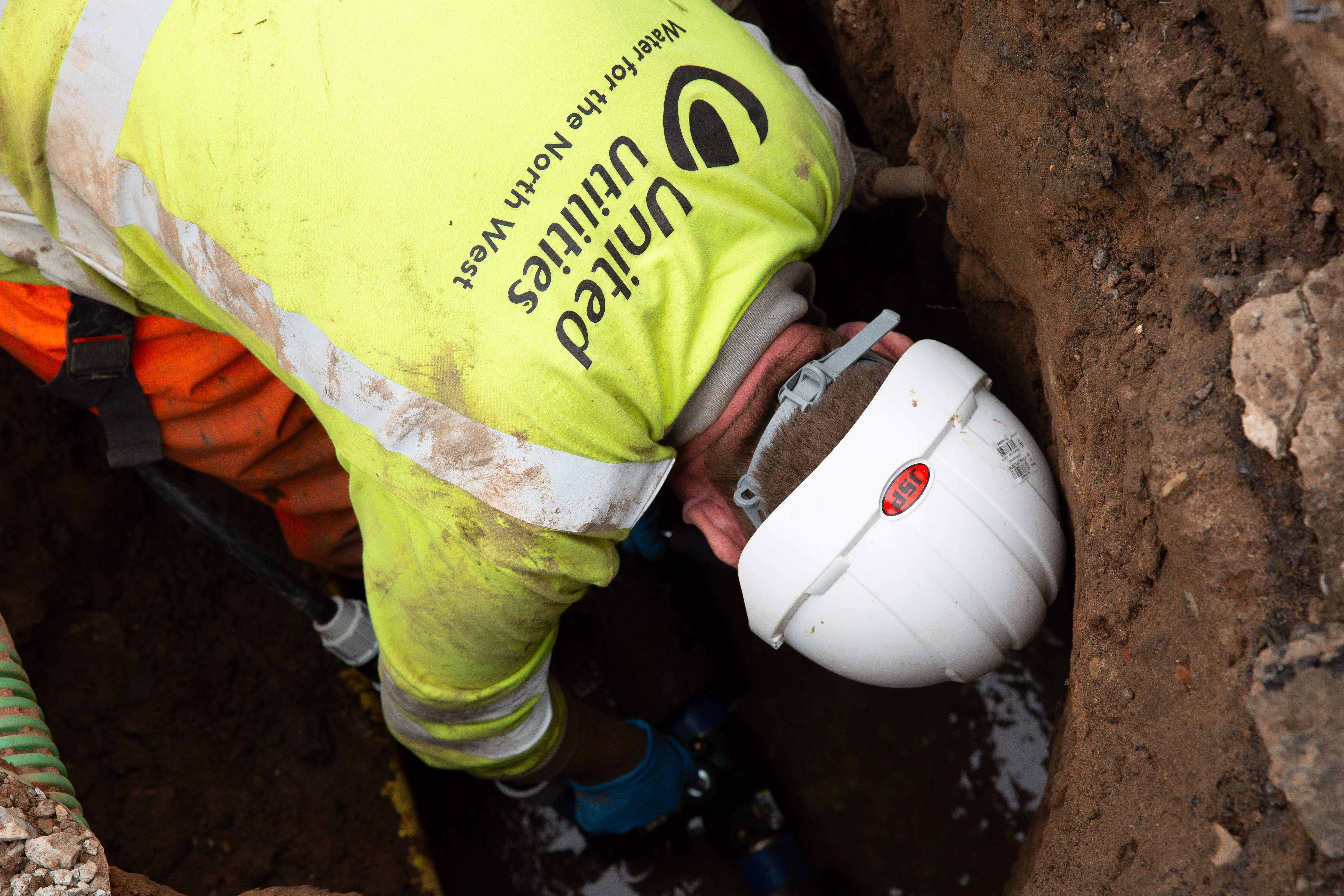
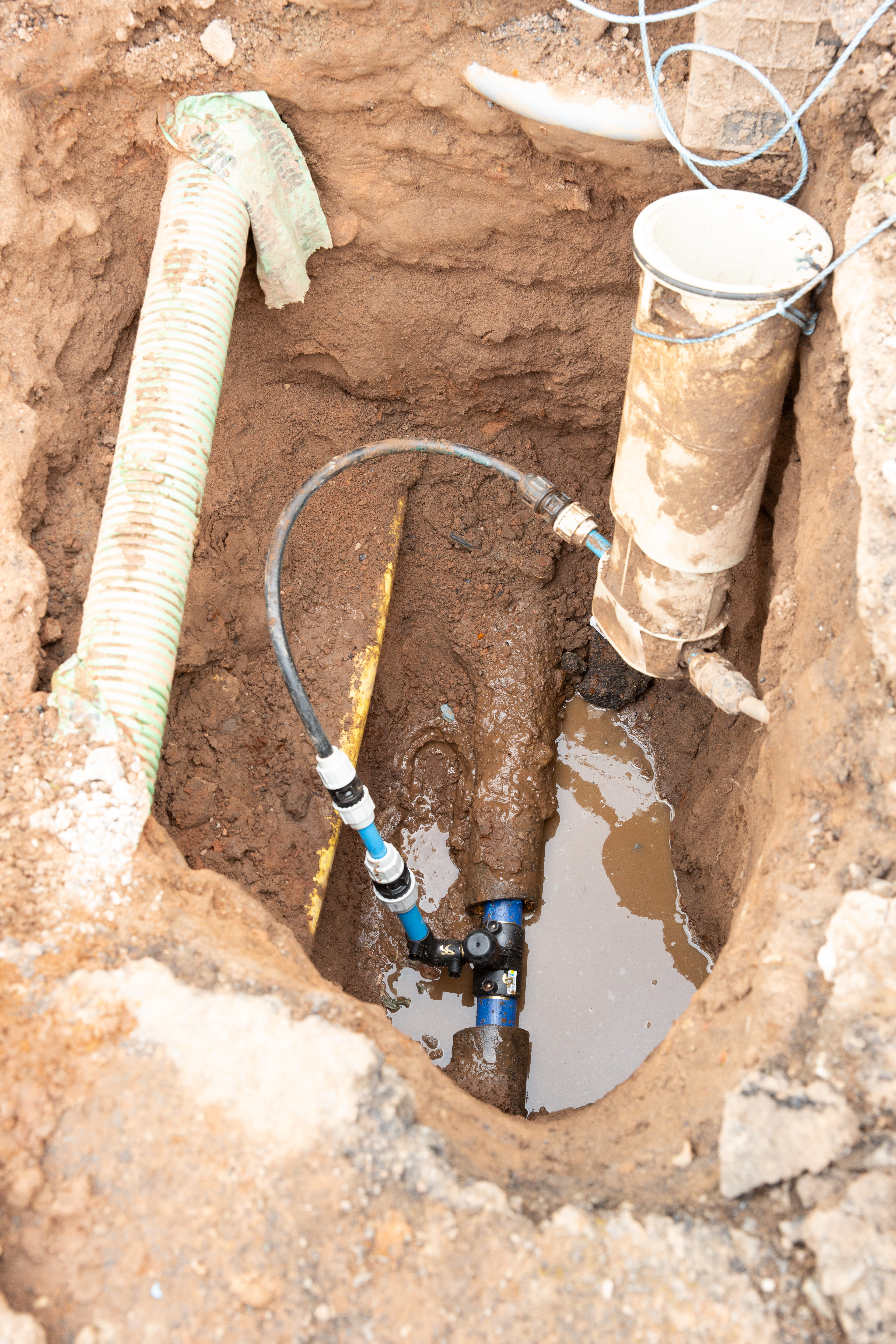
On the first day of work, we’ll locate and expose both the main water pipes and the service pipes that deliver water to individual homes.
This involves removing tarmac, paving or soil and may cause temporary noise and vibration.
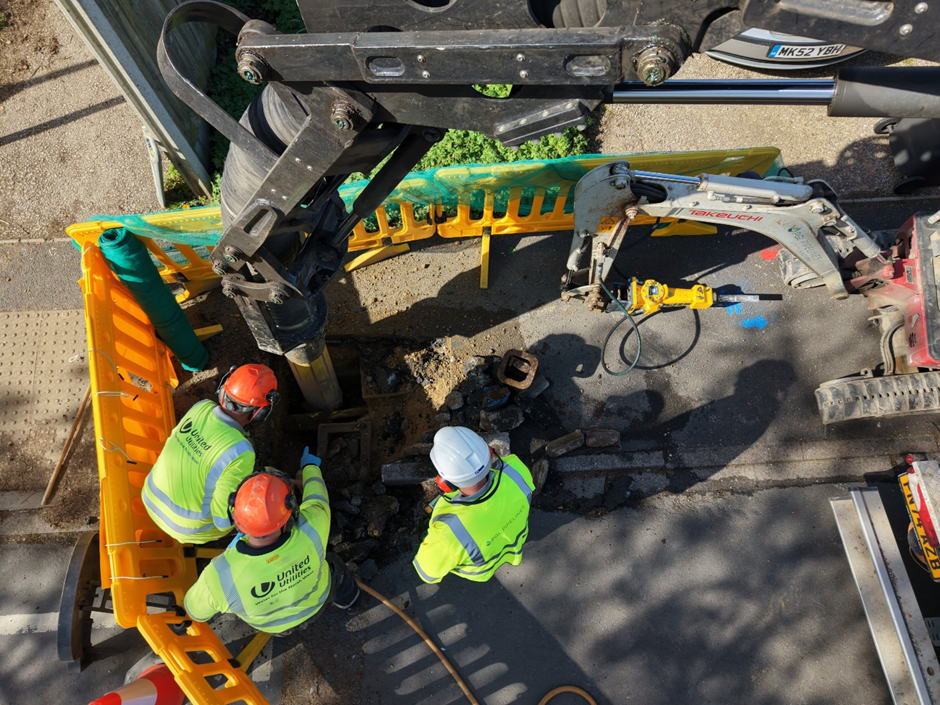
Once preparation is complete, we’ll:
The current pipes may be made of iron or plastic and must be removed carefully by hand. This stage can be noisy, but we work efficiently to keep it as brief as possible. We aim to do all of our work within working hours, however if any work is needed out of hours, we will discuss this with you throughout the planning of the project.
Whenever we need to switch off your water, we’ll let you know 48 hours in advance. We always aim for your water to be off for a maximum of three hours.
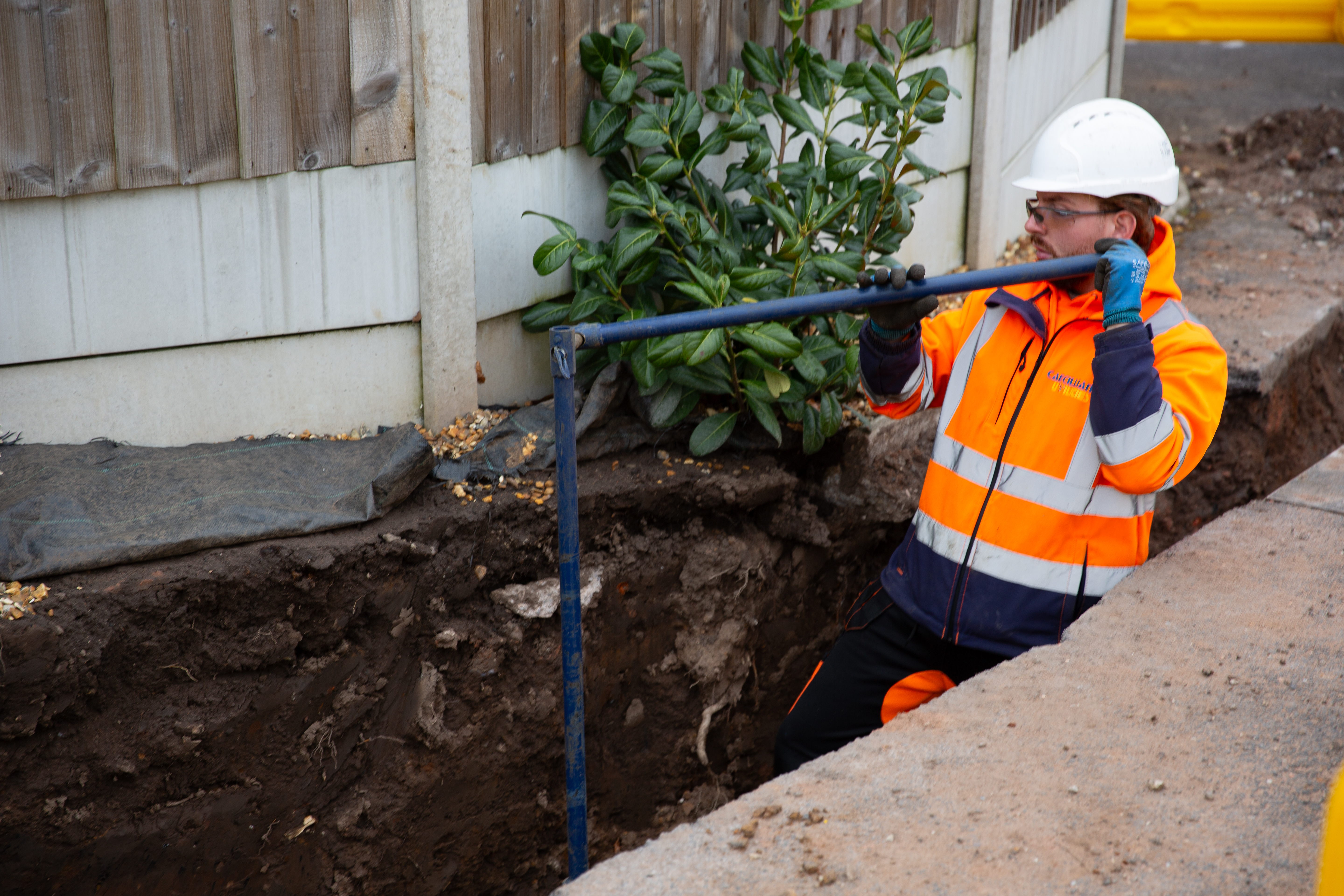
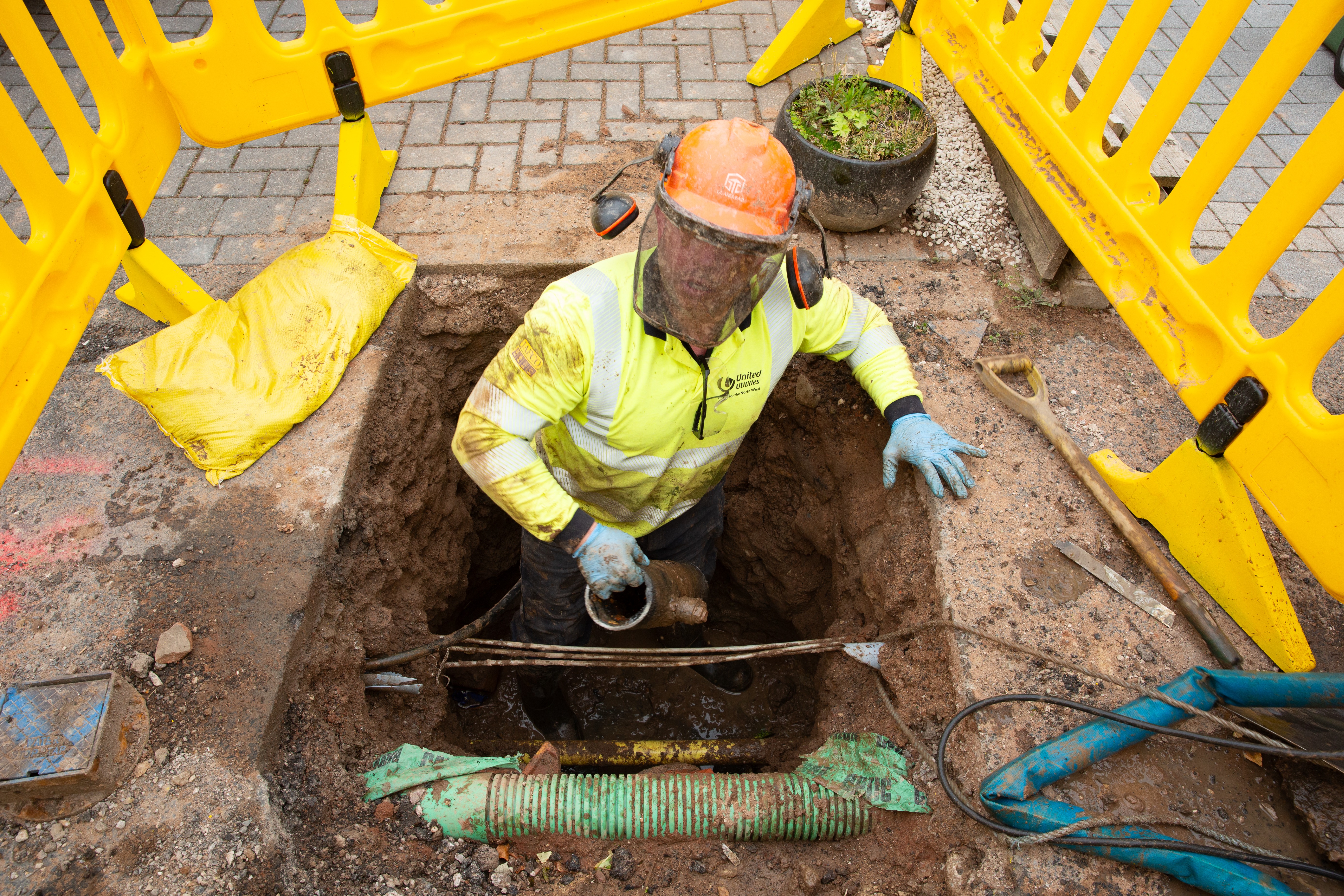
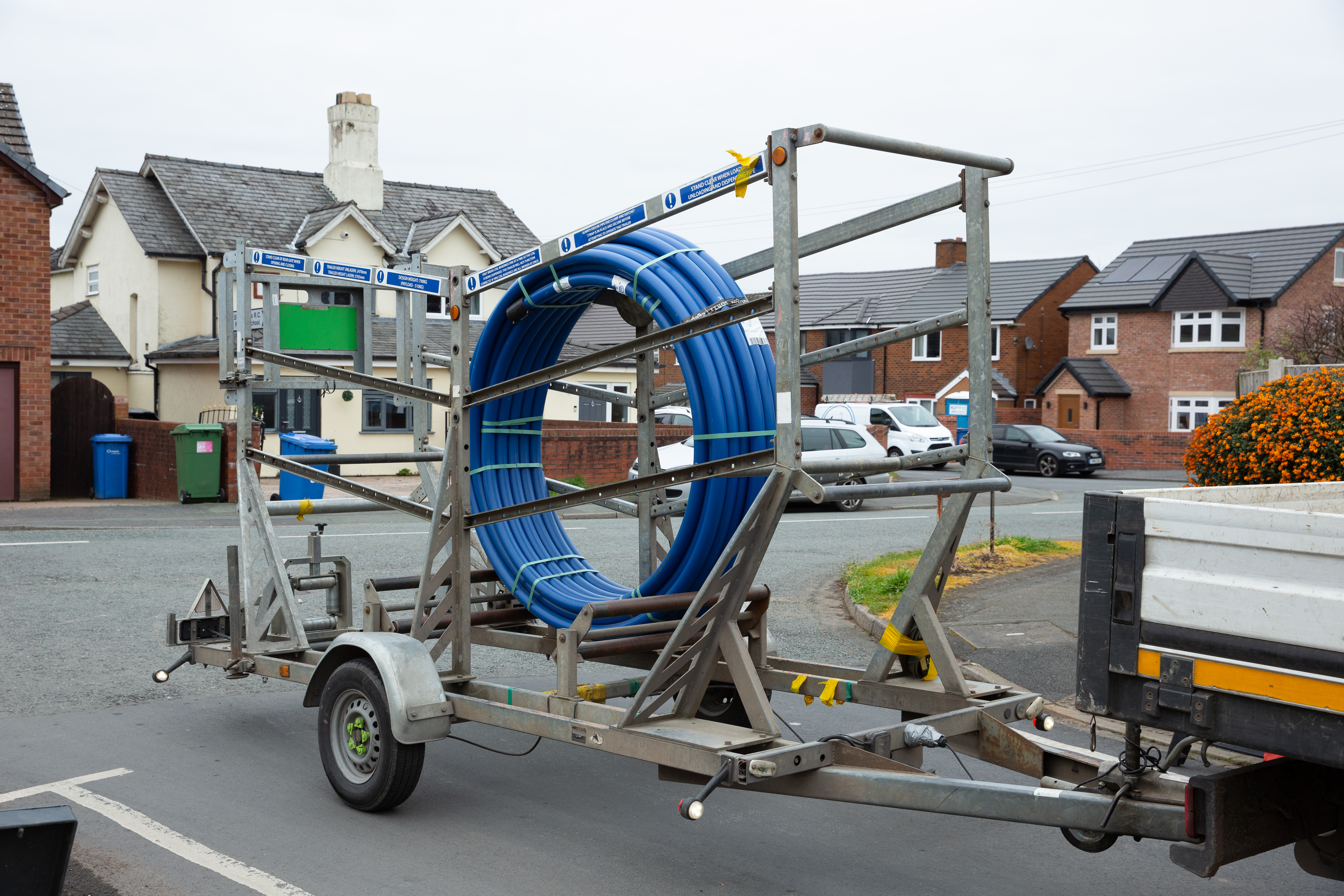
We install your new pipe using some of these proven methods:
The pipe is pre‑chlorinated to ensure water quality and help us return your supply as quickly as possible.
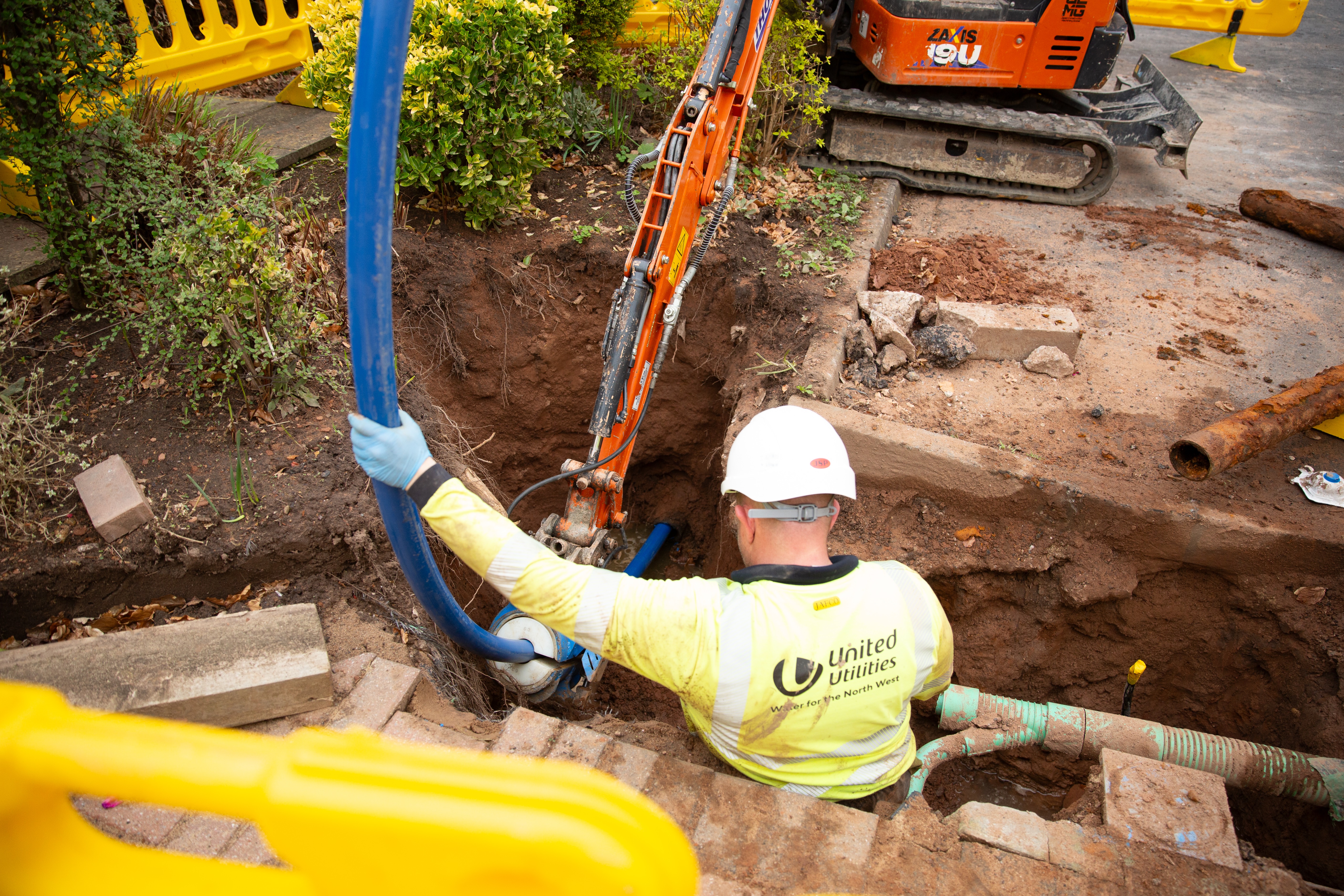
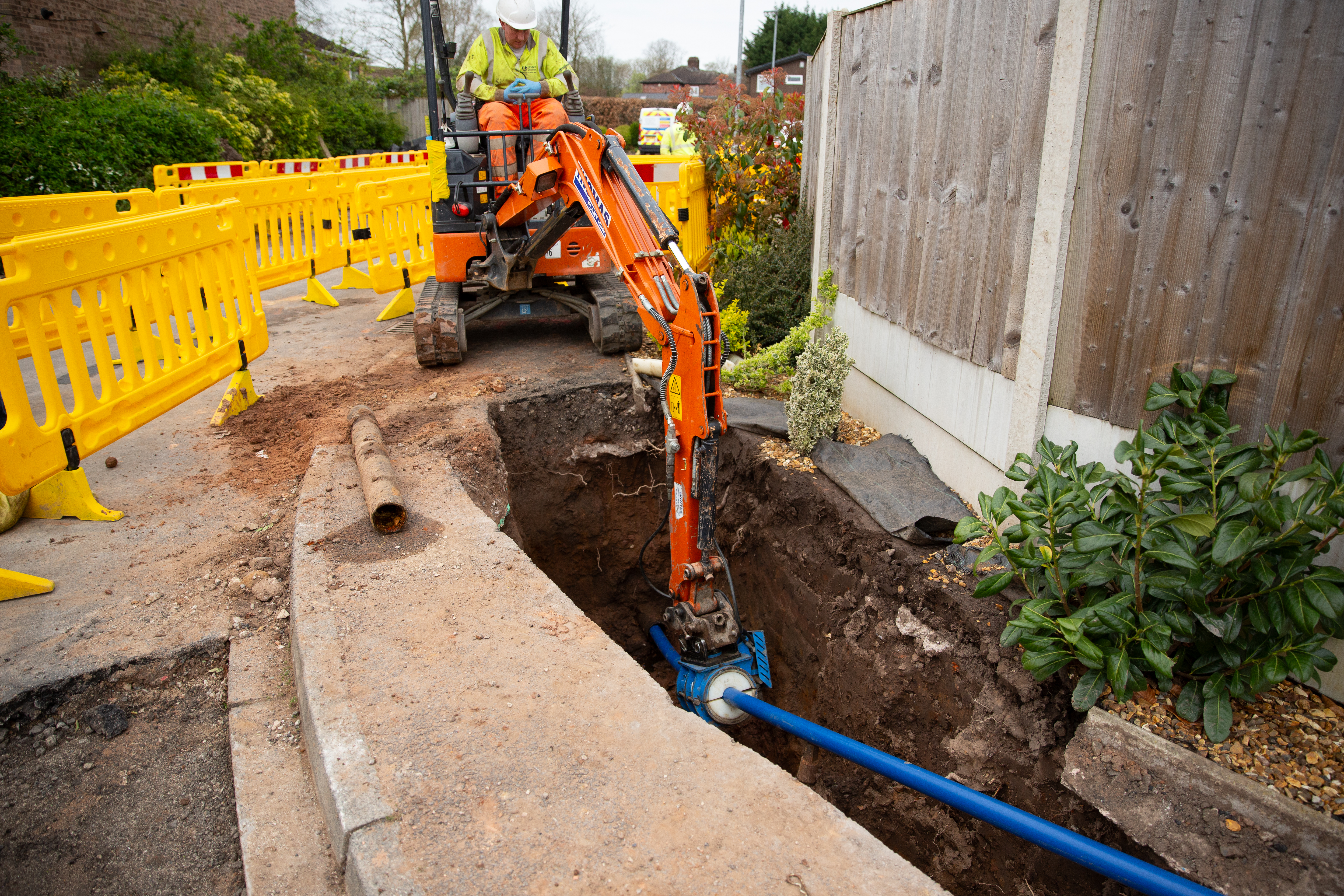
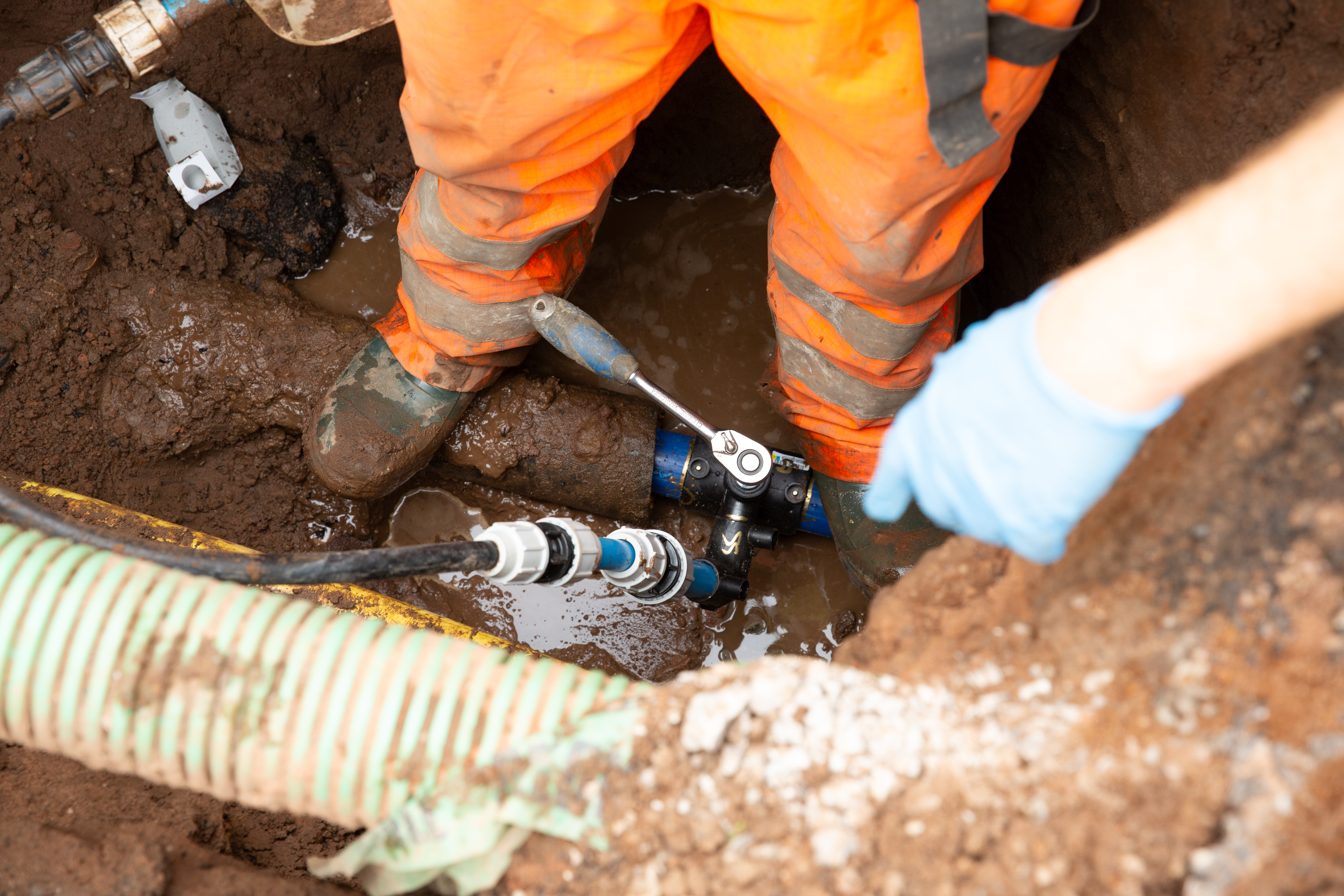
Once the new pipe is in place, we reconnect your home, refill the system and turn your water back on.
You may notice the water looks slightly discoloured at first - this is temporary, harmless and will clear quickly. Visit the link below for more information.
After the upgrade is complete, a specialist team will:
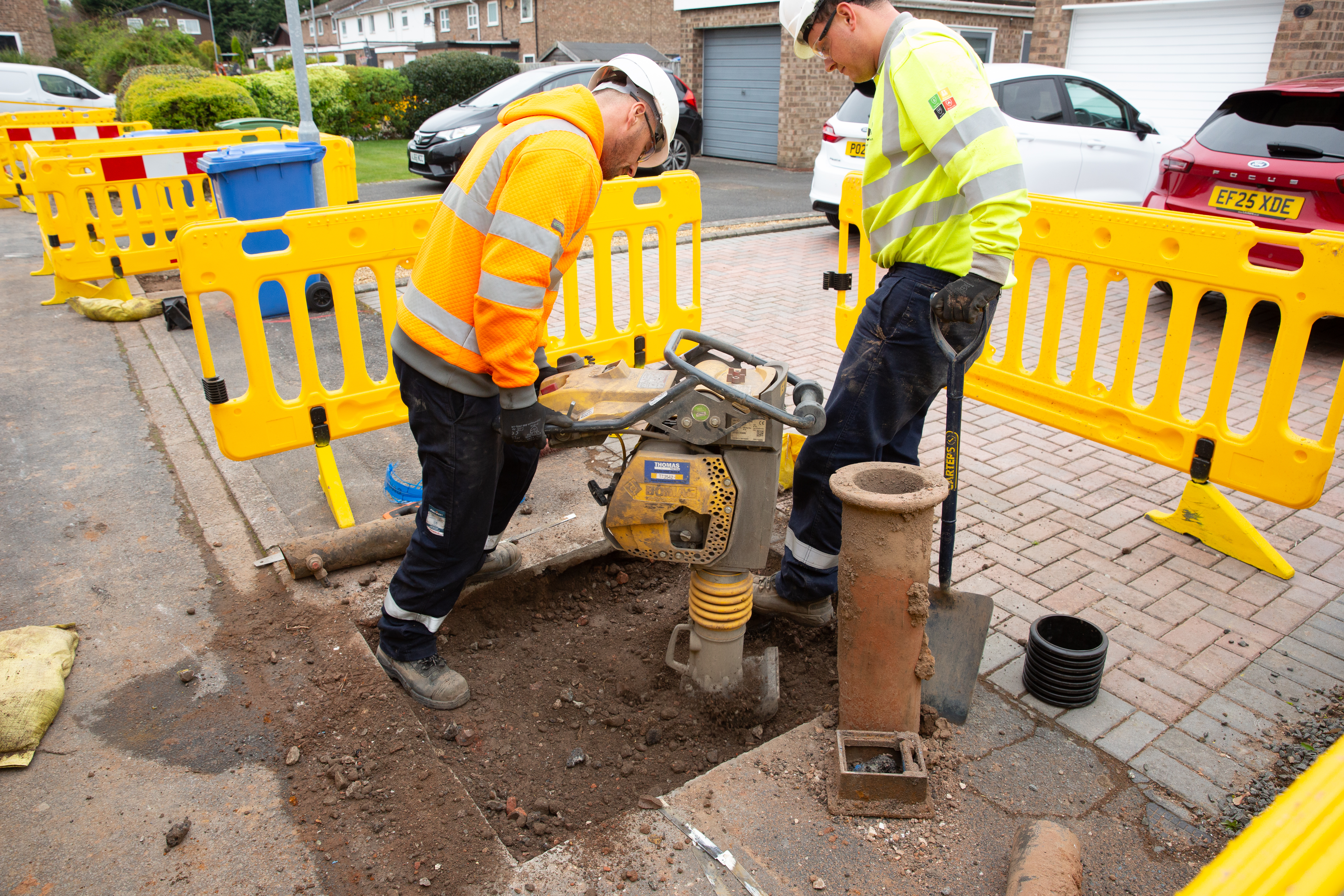
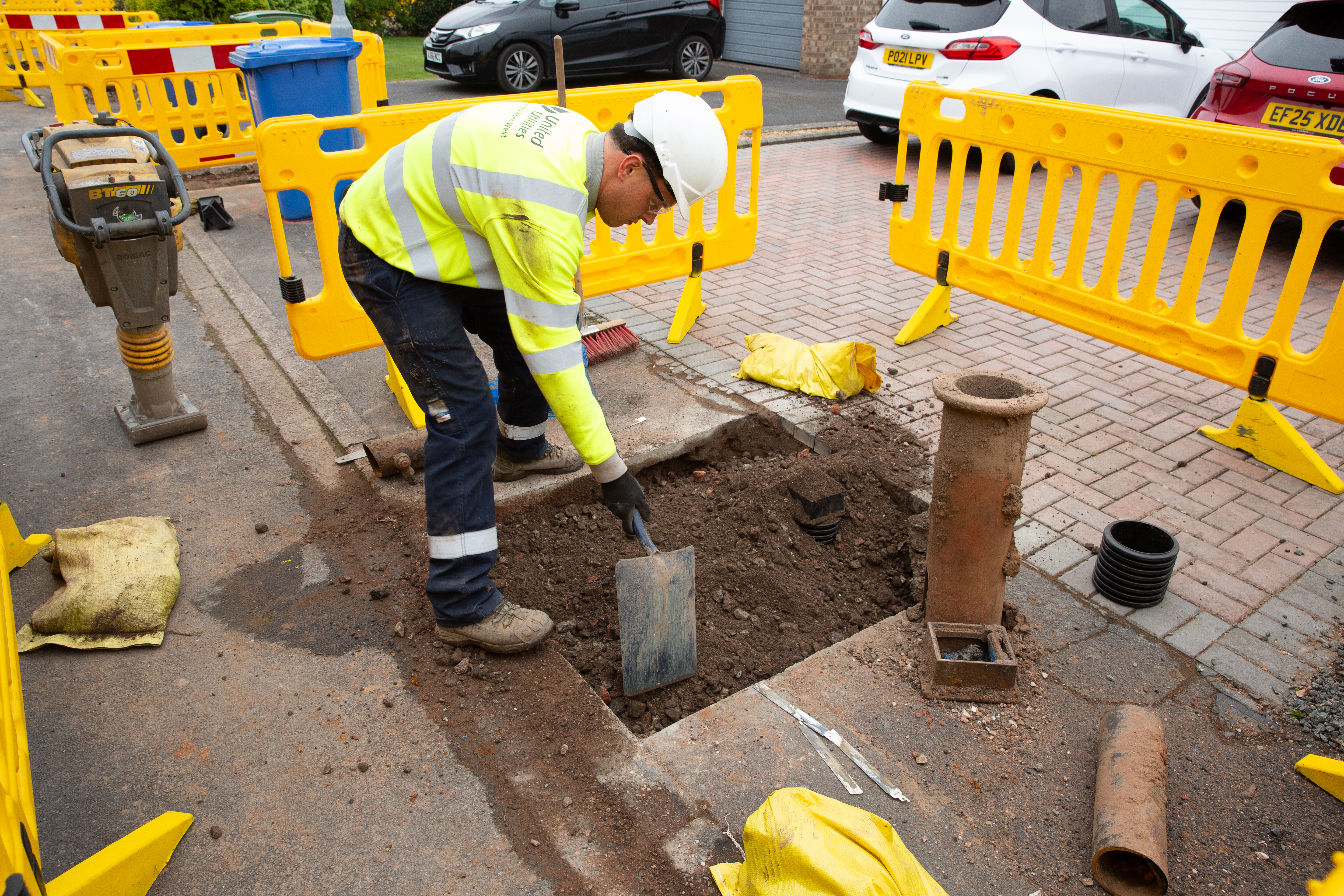
Some reinstatements (such as printed concrete or specialist finishes) may take a little longer, but we’ll keep you informed about our progress.
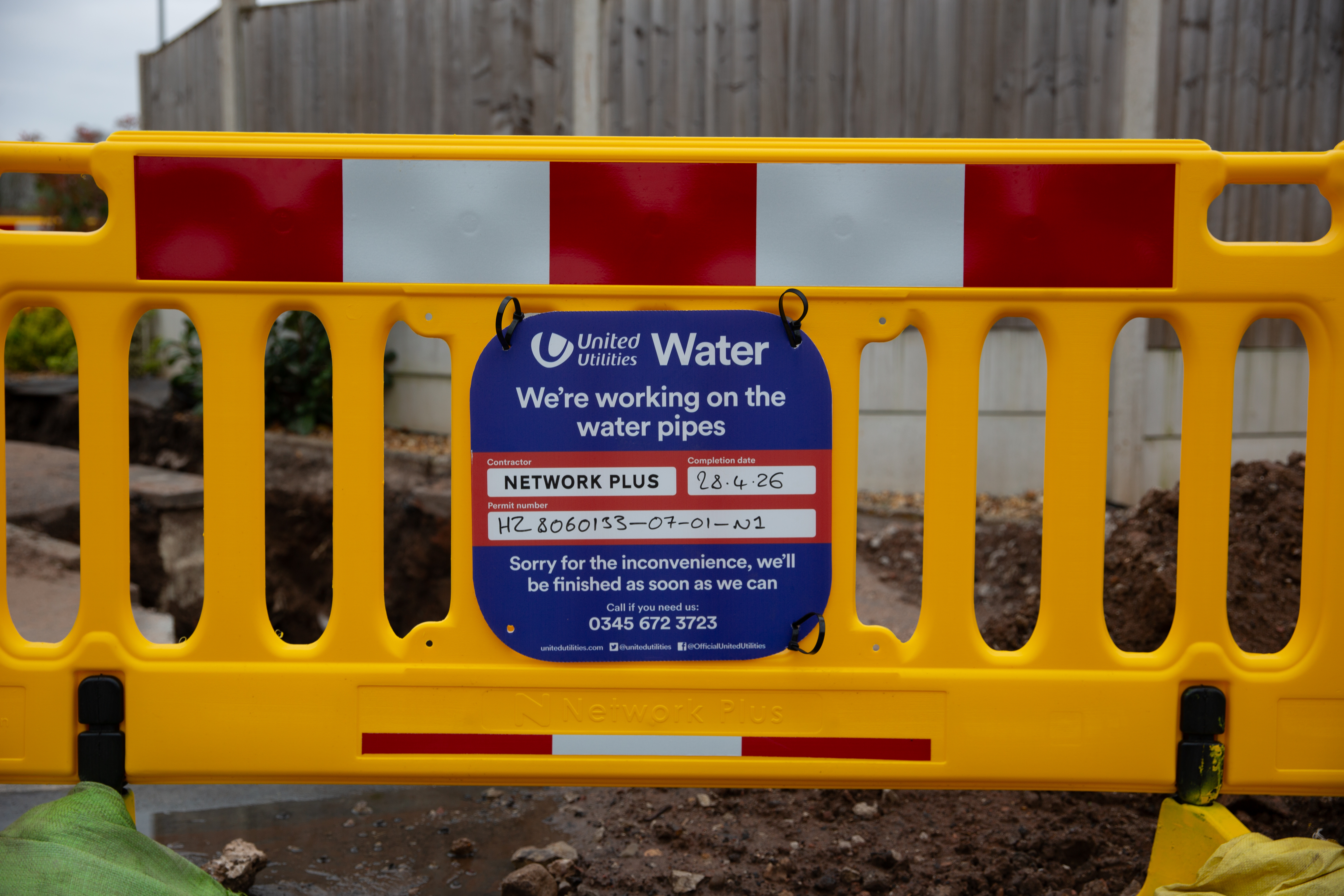
We’ll tidy up as we go - and again before we leave the street. Barriers are usually the final items to be removed once all the work has been completed.
Have a look through our frequently asked questions to see if we can answer your question.
Tell us your project feedback