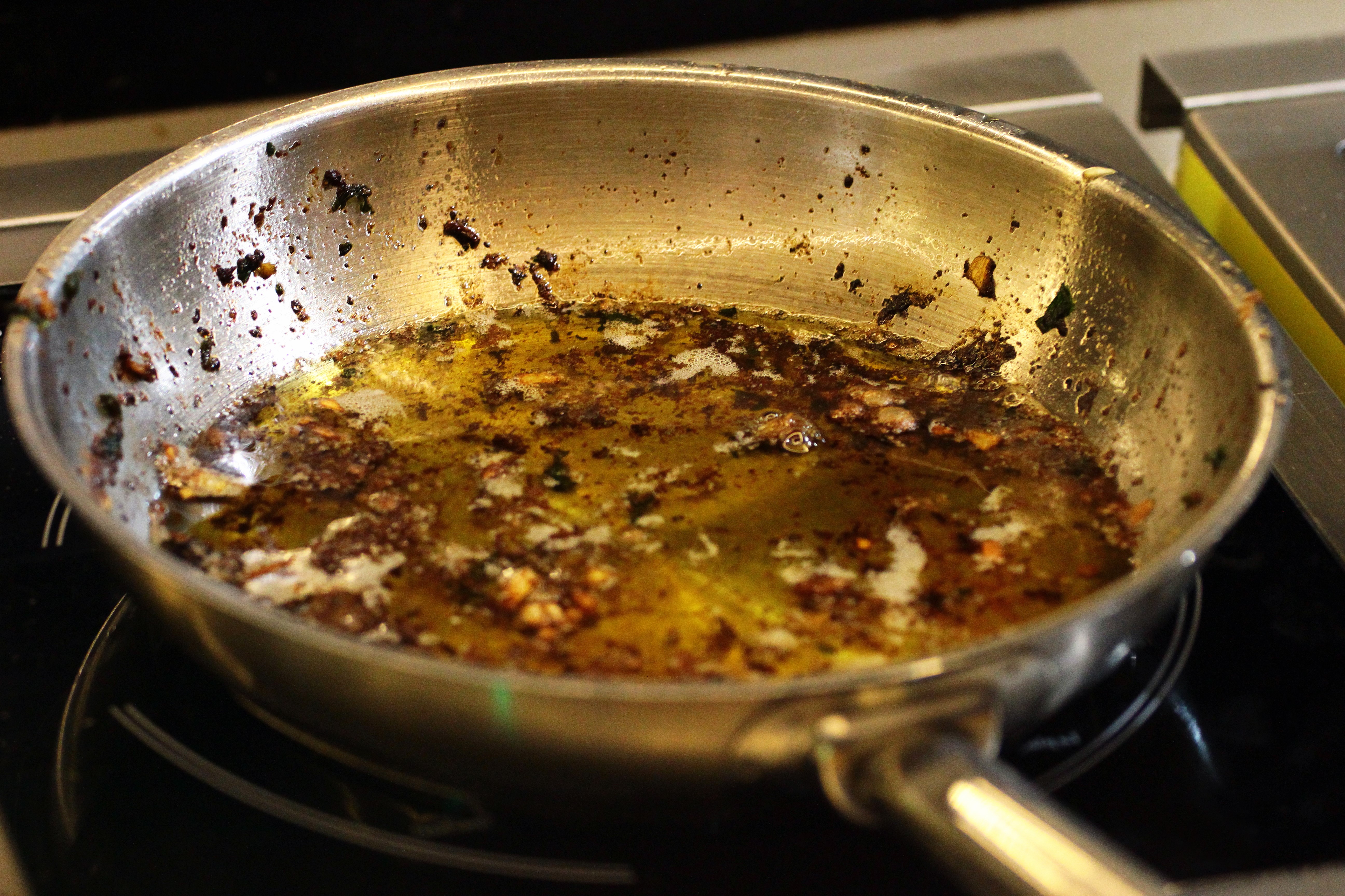
Find out how the Lake District Hotel in Keswick has benefited from installing grease traps in their kitchens.
How to dispose of cooking fats, oils and grease
Cooking fats, oils and grease, along with leftover food scraps, can all create blockages in pipes, drains and the network of underground sewers. Fats and oils won’t just disappear down the plughole; as fat hardens it sticks to food scraps and other debris in the sewer creating a blockage or even a fatberg.
Don’t put your business at risk of flooding or costly plumbing bills to remove blockages. Follow these easy steps to keep your pipes and drains blockage-free.
DO
wipe and scrape plates, pans and utensils before washing (and put waste in the bin).
DO
collect waste oil in a suitable secure container.
DO
arrange for oil to be collected by a licensed waste contractor.
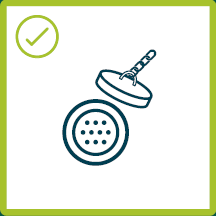
DO
use strainers in sink plugholes (and empty the contents into the bin).
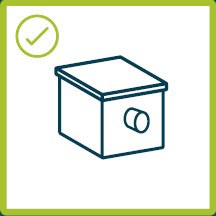
DO
maintain grease traps and enzyme dosing equipment regularly.
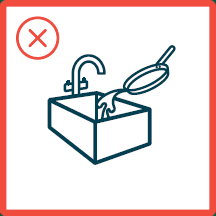
DON'T
put cooking oil, fat or grease down the sink.
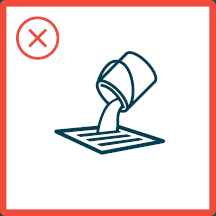
DON'T
pour waste oil, fat or grease down the drain.
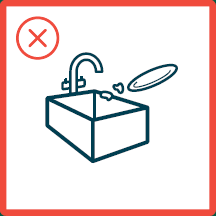
DON'T
put food scrapings into the sink (put in the rubbish bin).
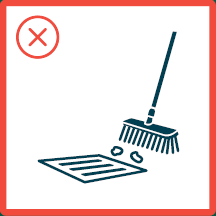
DON'T
sweep waste into floor drains (place rubbish in the bin).
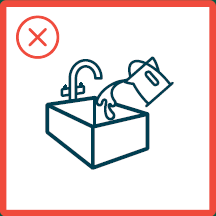
DON'T
put boiling hot water down the sink to try to dissolve fat and grease (it doesn’t work!).
Click here to access the Foodservice FOG Management Guide. This guide has been produced to give people in the hospitality, restaurant and catering sector guidance on the importance of disposing of cooking fats, oils and grease (FOG) responsibly, along with practical ways to do so. Put together by an alliance of organisations from the foodservice and catering equipment sectors along with representatives from the water industry and environmental health sectors, the guide provides a common understanding of the challenges posed by FOG, current laws and standards that apply to FOG management and best practice equipment and approaches to prevent FOG from entering drains and public sewers.
Effective cooking fats, oils and grease management
Did you know that all businesses are required by law to make sure their waste does not block or damage the sewer network? The regulations are all covered in Section 111 of the Water Industry Act 1991.
There are also specific Building Regulations – Part H 2.21 that state that Food Service Establishments (FSE) should have a ‘grease separator’ fitted to the drains serving kitchens, or other effective means of removing cooking fats and grease.
We understand that times are hard financially and the last thing any business in the catering sector needs is a bill from United Utilities for sewer blockage removal. However, sewer blockages can cause inconvenience, disruption and costs for many, not just those responsible for blocking the sewer. We are therefore on a mission to ensure sewers are fat-free and will take action against those blocking the sewers.
An FSE which does not dispose of fats, oils and grease responsibly is at risk of a recharge for the cost of blockage removal. United Utilities will take action against food establishments found to be allowing fats, oils and grease into the sewer system.
Installing grease management equipment to catch all sources of fats, oil and grease in the kitchen will not only avoid blockages in pipes and drains but will also help to reduce the impact on the local waterways and the environment.
We are committed to ending the misery suffered from sewer flooding caused by blockages. To that end, we expect all FSE proprietors to ensure they have adequate equipment and measures in place to prevent cooking fat, oils and grease from entering in the sewers.