Blockage

Stop the Block!

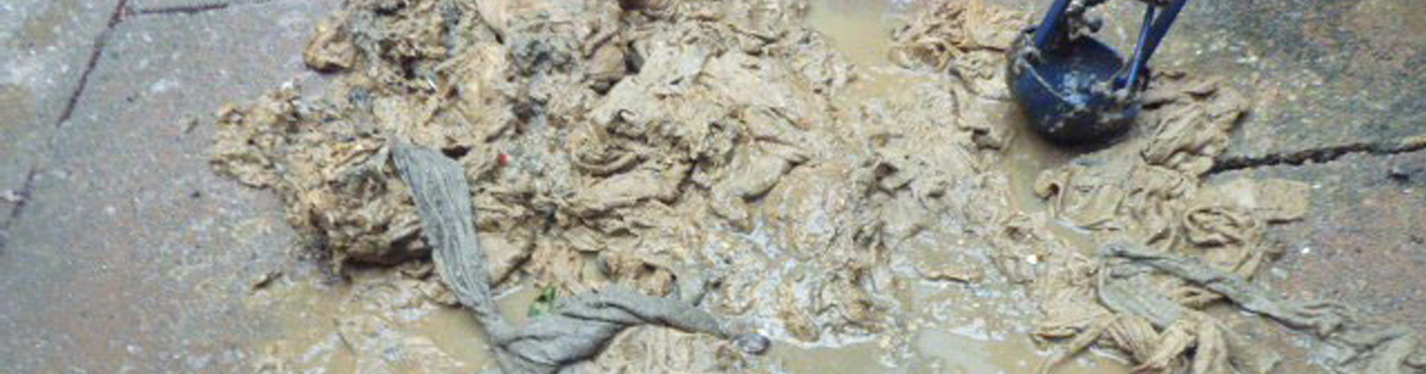
Millions of pounds are spent cleaning drains and sewers right across our region because of products that shouldn’t be in them. Wet wipes, period products, cotton wool, cotton buds, nappies, and dental floss are just some of the culprits. Flushed wet wipes don’t just disappear down the u-bend and disintegrate, they clump together and cause havoc in the pipes, drains and sewers.

Cooking oil, fats and grease can also create blockages known as ‘fatbergs’ (a congealed mass of fats, oils and bathroom rubbish) which clog up the underground sewer pipes. Blockages can lead to sewage flooding in homes, businesses and pollution in the environment.

Help us to Stop the Block!

We know a thing or two about the best ways to prevent blockages and sewer flooding. We’ve put together these hints and tips to help avoid blocked pipes and drains in your home.

How to avoid blockages in the bathroom
Toilet icon

Only flush the 3 Ps

Pee, Poo, and (toilet) Paper
Bin icon

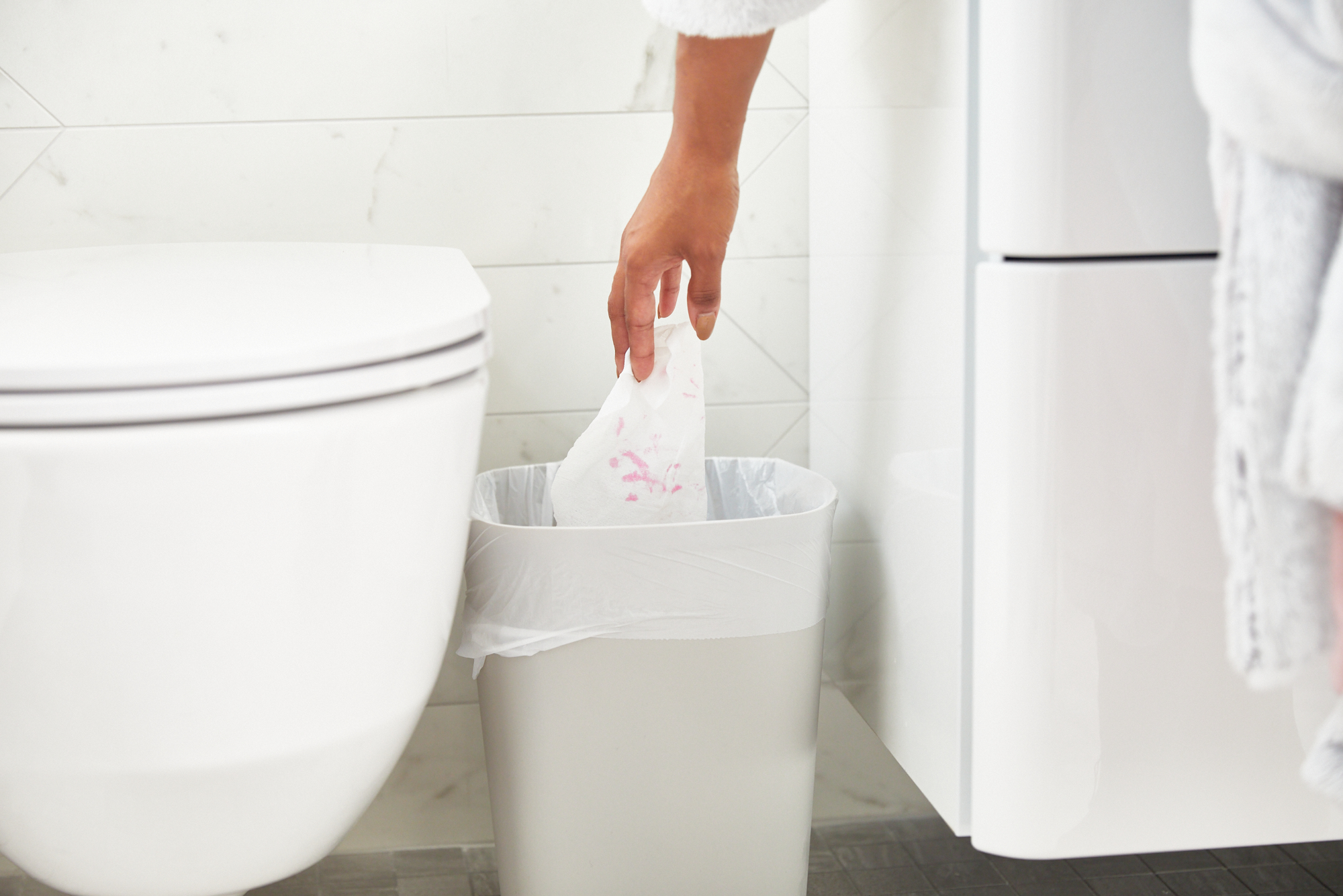
Bin wet wipes

Don't flush wet wipes, even if the packaging is labelled to say they are flushable
Wet wipe being flushed

How to avoid blockages in the kitchen
Sink icon

Don’t pour oils down the sink

Fats, oils, and greases solidify and block drains
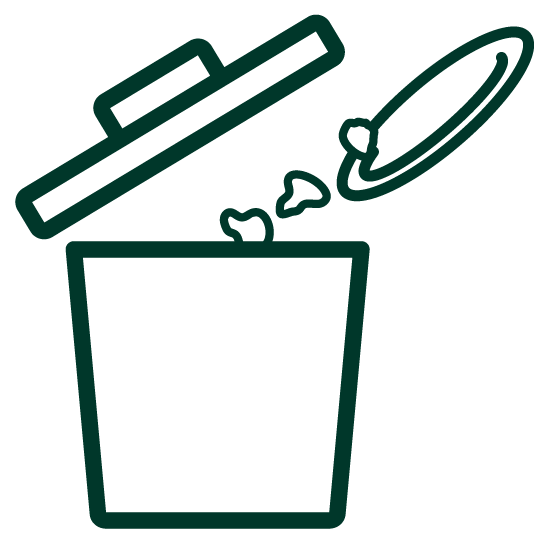
Scraping food waste into the bin

Do scrape cooking oils and leftover food into the bin

Wait for oils and food waste to cool and then throw them away
Scraping food waste into the sink

Use a sink strainer

Use a strainer to catch any leftover food bits going down the plughole
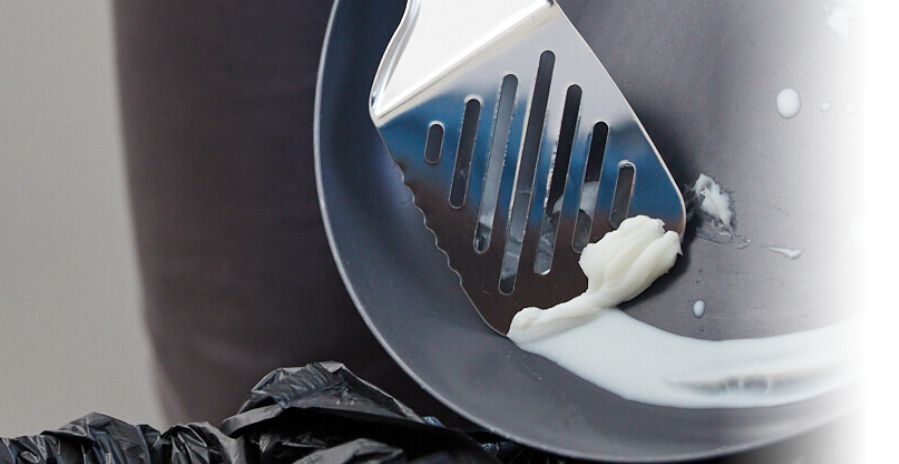
Oil being scraped into bin

Stop the Block at your place of work

Do you work in a restaurant, cafe, take-away or hospitality business? The last thing you need is sewage flooding in your premises. Flooding, blockages and bad smells coming from drains can all be avoided by making small changes to the way you dispose of cooking fats, oils, grease and leftover food. Don’t put your business at risk of flooding or costly plumbing bills to remove blockages. Simply click the link below and find out more about how you can keep your pipes and drains blockage-free.

Preventing blockages

Air-fryer
  • Did you know 4.6 million period products are flushed every day in the UK? While period products are designed to be absorbent, what you might not realise is that they don’t break down in water. Flushed period pads and tampons can block pipes and drains which can lead to sewer flooding. Find out about period product disposal by clicking the ‘change the cycle’ button below.

    Change the cycle

  • Pouring fats, oils and grease (FOG) down the sink and flushing wet wipes, period products and other bathroom rubbish down the toilet can lead to damage not only to your home but also the environment.

    Blockages in the pipes in your home or on your property can cause sewage to back up into your bathroom and kitchen leading to an expensive and smelly problem for you to fix.

    A build-up of flushed products and FOG create fatbergs which restrict the flow of wastewater through the sewer network and reduce the capacity of the sewers. This can lead to storm overflows spills into rivers during heavy rainfall. Please help us to keep rivers cleaner and safer for everyone by putting all bathroom rubbish and all cooking oils and leftover food in the bin.

  • It’s often hard to know where a blockage is and who owns which bit of the pipework so it's worth having a quick look at who looks after what inside and outside the boundary of your home on our sewers and drains explained page.

    If you’re still unsure, don’t worry. We’re happy to help and the quickest way is to visit our online tool here. If it’s our responsibility or we need to visit your property to determine responsibility, we’ll send one of our engineers out to have a look. We'll always try to let you know when we'll be able to get to you and, if it changes, we’ll try to keep you informed.

    When we come out to look at the blockage, we'll confirm if the blocked pipework belongs to us. If it does, we'll clear it for free and try to investigate the cause of the blockage.

    If the blockage is within your own private drains, unfortunately we can't clear it for you, but we'll try to offer advice on how you can sort the problem.

  • We know it can be very stressful if you’ve been flooded by sewage or your pipes are blocked and toilets won’t drain away and that’s why we want to do all we can to make sure you get the help you need quickly and with little fuss. So when the unexpected happens, simply click the link below to report the problem.

    Report it here 

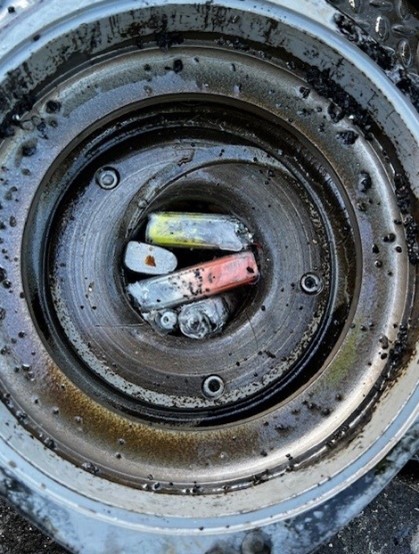
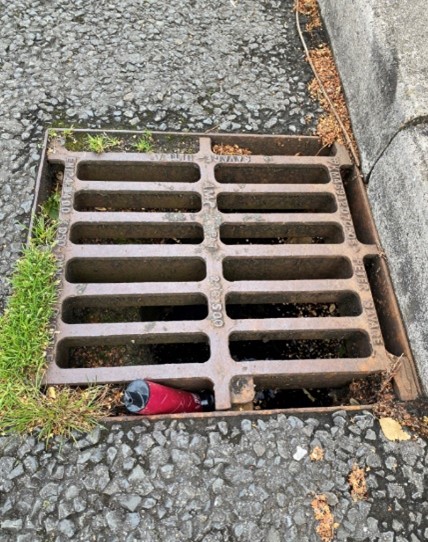
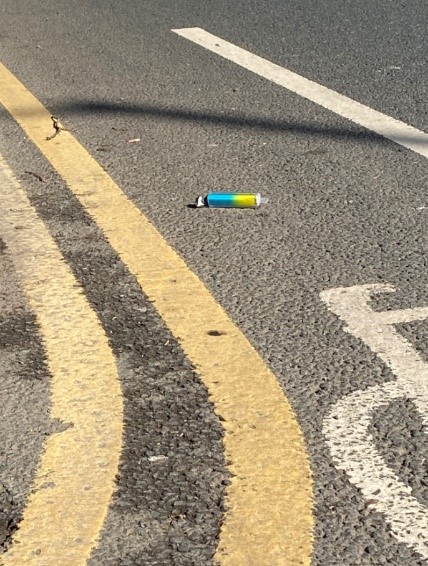
  • Vape in road Vape caught in drain Vape caught in grate

    Disposable vapes, dropped as litter in our streets, are causing real havoc in drains, sewers and at wastewater treatment works.

    According to the Department for Environment, Food, and Rural Affairs, almost five million single-use vapes were either littered or thrown into general waste each week in 2023. Unfortunately littered vapes are entering the sewer network via drain grids or gullies in the street.

    These gullies lead to local waterways or to the underground sewers which take rainwater and wastewater from homes and businesses to our treatment works.

    We recently discovered more than 50 vapes causing a blockage at a pumping station at Dalston, Cumbria.

    The vape blockage took three days to remove causing damage to the machinery and impacting the efficient operation of the treatment works.

    There is a risk of vapes catching fire because they each contain a lithium battery which can explode posing a significant danger to our sites and the surrounding areas.

    Whether vapes end up in a waterway or at one of our treatment works, they can cause damage to the environment and need to be disposed of responsibly.

    Single-use vapes need to be recycled. This can be done at household waste recycling centres using the Waste Electrical and Electronic Equipment (WEEE) bins or vape shops have dedicated bins to ensure used vapes are disposed of safely.

Monster found in Liverpool sewer!

Measuring a whopping 250 metres, this sewer monster is formed from a congealed mass of fats, grease, oil, wet wipes, period products and other products which shouldn’t have been poured down the sink or flushed down the loo.

More about fatbergs

Important Notice

Cold Weather

Due to the freezing weather conditions across the region a number of our customers are experiencing no water or reduced pressure, caused by frozen pipes in their home. There are a few things you can do to check if you have frozen pipes. If you are unable to complete these checks please reach out to your family, friends or neighbours to see if they can help:

  1. If there are no local issues check with your neighbours. If they have water, you may have a frozen pipe in your property.
  2. Here’s what to do. Turn off your stop tap by turning it clockwise, it’s usually found under your kitchen sink, but can be in your garage or cellar.
  3. Once you’ve turned your stop tap off, turn on your cold tap in the kitchen
  4. If you have no water, this could be due to a frozen pipe somewhere in your home. This may be the pipe which comes into your home near to where your stop tap is located.
  5. Carefully thaw the pipe using a warm towel, or if safe to do so a hairdryer in short bursts, ensuring you keep well away from water. If you can get water from a neighbour you could try a hot water bottle too. This could take a while, depending on how frozen and big your pipes are.
  6. Switch your stop tap back on to see if the water is running.

You can find more information at www.unitedutilities.com/frozenpipes.

If you have followed all of the advice provided and still want to talk to us, please give us a call. As we are experiencing really high call volumes at the moment, please bear with us as wait times will be longer than usual. 

Due to the freezing weather conditions across the region a number of our customers are experiencing no water or reduced pressure, caused by frozen pipes in their home. For more help and advice if you have a frozen pipe head to www.unitedutilities.com/frozenpipes.

Cold Weather

Please click the button below to confirm you have seen this message

I have read this info